Understanding Women’s Health Through Acupuncture Treatments
- joannakhoo7
- Feb 2
- 4 min read
Acupuncture, an ancient practice rooted in Traditional Chinese Medicine, has gained recognition in recent years for its potential benefits in addressing various health issues, particularly those affecting women. From menstrual irregularities to menopause symptoms, acupuncture offers a holistic approach that can complement conventional treatments. This blog post will explore how acupuncture can enhance women's health, the science behind it, and practical tips for integrating it into your wellness routine.

The Basics of Acupuncture
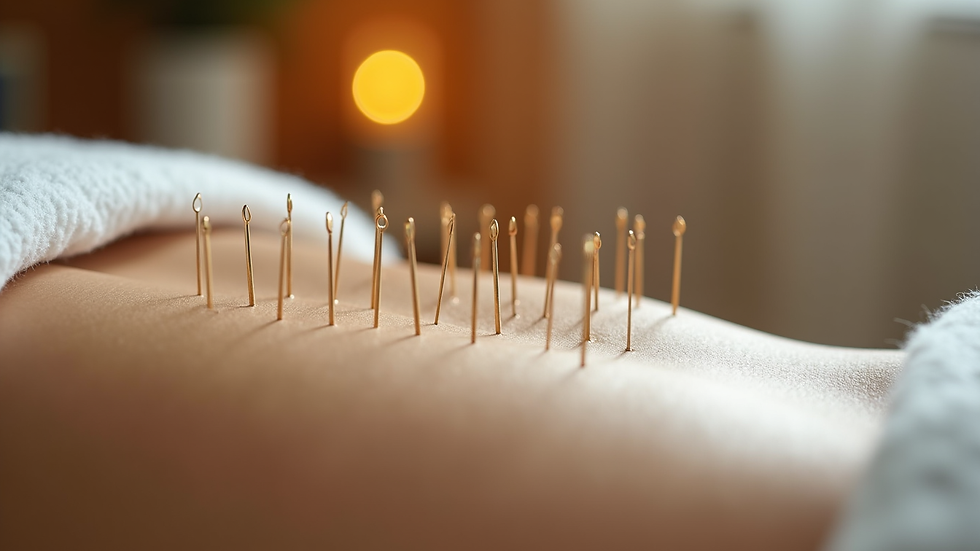
Acupuncture involves the insertion of thin needles into specific points on the body, known as acupuncture points. These points correspond to pathways, or meridians, that are believed to facilitate the flow of energy, or "qi" (pronounced "chee"). By stimulating these points, acupuncture aims to restore balance and promote healing.
How Acupuncture Works
The practice of acupuncture is based on the idea that health is a balance of physical, emotional, and spiritual well-being. When this balance is disrupted, illness can occur. Acupuncture seeks to correct these imbalances by:
Stimulating the nervous system: This can lead to the release of neurotransmitters and hormones, which may help alleviate pain and improve mood.
Increasing blood flow: Enhanced circulation can promote healing and reduce inflammation.
Balancing energy: By addressing blockages in the flow of qi, acupuncture aims to restore harmony within the body.
Benefits of Acupuncture for Women’s Health
Acupuncture can be particularly beneficial for women, addressing a range of health concerns. Here are some key areas where acupuncture has shown promise:
Menstrual Health
Many women experience menstrual irregularities, including painful periods (dysmenorrhea), heavy bleeding, or irregular cycles. Acupuncture can help regulate menstrual cycles and alleviate pain by:
Reducing inflammation
Balancing hormones
Promoting relaxation
For example, a study published in the journal Pain Medicine found that women who received acupuncture experienced significant reductions in menstrual pain compared to those who did not.
Fertility Support
Acupuncture is often used as a complementary treatment for women trying to conceive. It may enhance fertility by:
Regulating menstrual cycles
Improving blood flow to the reproductive organs
Reducing stress and anxiety
Research indicates that acupuncture may improve the success rates of in vitro fertilization (IVF) treatments. A meta-analysis published in Fertility and Sterility found that acupuncture significantly increased pregnancy rates among women undergoing IVF.
Pregnancy and Labor
During pregnancy, women may experience various discomforts, including nausea, back pain, and anxiety. Acupuncture can provide relief by:
Alleviating morning sickness
Reducing lower back pain
Promoting relaxation and reducing stress
Additionally, acupuncture may help prepare the body for labor. Some practitioners use specific points to encourage contractions and facilitate a smoother delivery.
Menopause Management
As women transition into menopause, they may face symptoms such as hot flashes, mood swings, and sleep disturbances. Acupuncture can help manage these symptoms by:
Balancing hormone levels
Reducing stress and anxiety
Improving sleep quality
A study published in the Journal of Alternative and Complementary Medicine found that women who received acupuncture reported fewer hot flashes and improved overall well-being during menopause.
Integrating Acupuncture into Your Wellness Routine
If you're considering acupuncture as part of your health regimen, here are some practical tips to get started:
Find a Qualified Practitioner
Look for a licensed acupuncturist with experience in treating women's health issues. You can check their credentials and read reviews from other patients to ensure you find a qualified professional.
Discuss Your Health Goals
During your initial consultation, be open about your health concerns and goals. A skilled acupuncturist will tailor your treatment plan to address your specific needs.
Commit to Regular Sessions
Acupuncture is most effective when done consistently. Depending on your health goals, you may need to attend sessions weekly or bi-weekly. Over time, you may notice improvements in your symptoms and overall well-being.
Combine with Other Treatments
Acupuncture can complement other treatments, such as herbal medicine, dietary changes, or conventional medical care. Discuss your options with your healthcare provider to create a comprehensive wellness plan.
What to Expect During an Acupuncture Session
Understanding what happens during an acupuncture session can help alleviate any anxiety you may have about the process. Here’s a brief overview:
Initial Consultation: Your acupuncturist will ask about your medical history, current health concerns, and lifestyle. This information helps them develop a personalized treatment plan.
Treatment: You will lie down comfortably while the acupuncturist inserts thin needles into specific points on your body. Most people feel minimal discomfort, and the process typically lasts 30 to 60 minutes.
Post-Treatment: After the session, you may feel relaxed and rejuvenated. It's essential to drink plenty of water and allow your body to rest.
Potential Risks and Considerations
While acupuncture is generally considered safe, it's essential to be aware of potential risks:
Infection: Ensure that your acupuncturist uses sterile needles to minimize the risk of infection.
Bruising or soreness: Some individuals may experience minor bruising or soreness at the needle insertion sites.
Not a substitute for medical care: Acupuncture should complement, not replace, conventional medical treatments. Always consult your healthcare provider before starting any new treatment.
Conclusion
Acupuncture offers a holistic approach to women's health, addressing a variety of concerns from menstrual irregularities to menopause symptoms. By understanding how acupuncture works and its potential benefits, you can make informed decisions about incorporating it into your wellness routine.
If you're interested in exploring acupuncture, consider scheduling a consultation with a qualified practitioner to discuss your health goals. Remember, taking charge of your health is a journey, and acupuncture may be a valuable tool along the way.

Comments